

Description
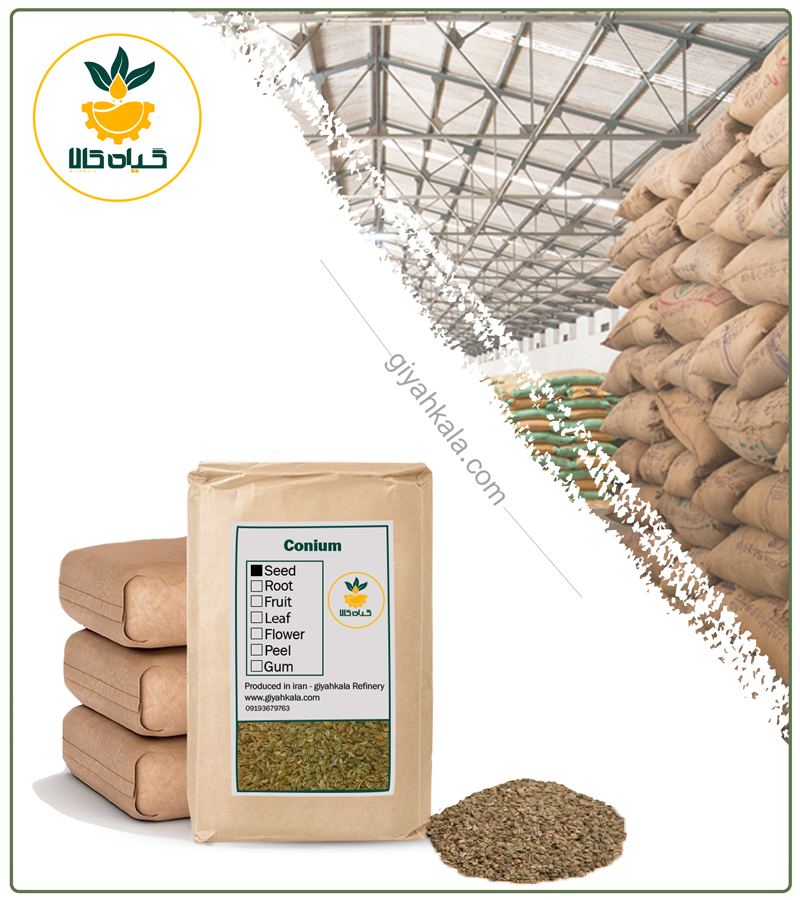
Giyahkala is the first specialized refinery of medicinal plants and the largest supplier of organic and non-organic (processed) herbs in Iran. The company processes more than 700 widely-used medicinal plants. Hemlock Seed is one of these plants processed by Giyahkala which are presentable as both sorted and unsorted.
Health and Technical Data of Dried Hemlock Seed
Health Benefits of Dried Hemlock Seed
-
Painkiller
-
Antispasmodic
-
Arthritis treatment
Technical Specification of Dried Hemlock Seeds
-
Botanical Name: Conium maculatum
-
English Name: Hemlock
-
Antimicrobial: with Ozone Method
-
Other Names of Hemlock: poison parsley, deadly hemlock, spotted hemlock, wild hemlock, carrot fern, California fern, devil's bread, and devil's porridge
-
Main Active Ingredient: Coniine, also called 2-propyl piperidine
-
Packaging Type: Waterproof Bag, Waterproof Multi-Layer Kraft
-
Packaging Volume: 1 kg to tonnes
-
Available in Grades: Sorted, Unsorted
Uses of Dried Hemlock Seeds
Hemlock has plenty of uses in different industries and Giyahkala, as the first and largest reference for its dried seeds buy and sale price in Iran, is ready to provide you with any advices you need.
Use of Dried Hemlock Seed in Different Industries
-
Pharmaceutical Industries: (As a medicine, hemlock has sedative and antispasmodic properties but was used by Greek and Arab physicians for a variety of maladies including joint pain. Obviously it was used with extreme caution since even small amounts could cause untoward affects)
-
Cosmetic Industries: (Hemlock oil's widely used for skin care products; its oil delicately refines and tones sensitive skin)
-
Food Industries: (All plant parts are poisonous, do not consume any parts of this plant. Greeks used poison hemlock to execute criminals or political prisoners. The most famous example of this is the execution of Socrates)
Our Distinctive Features in Processing Dried Hemlock Seed
Produced from the Standard and Organic Primary Plants
Hygienic and Antimicrobial Production Process of Plants
Cultivating, Maintaining, and Harvesting Plants with Scientific and Knowledge-based Methods
Responsiveness, Scientific Consultation, and Provision of the Most and the Best Type of Plants
Capability of Regular Mass Supply in All Seasons of the Year
Reviews
There are no reviews yet.